What is a Digital Nomad? Definition, Concept, and Benefits
The Concept of a Digital Nomad
Definition and Lifestyle Overview
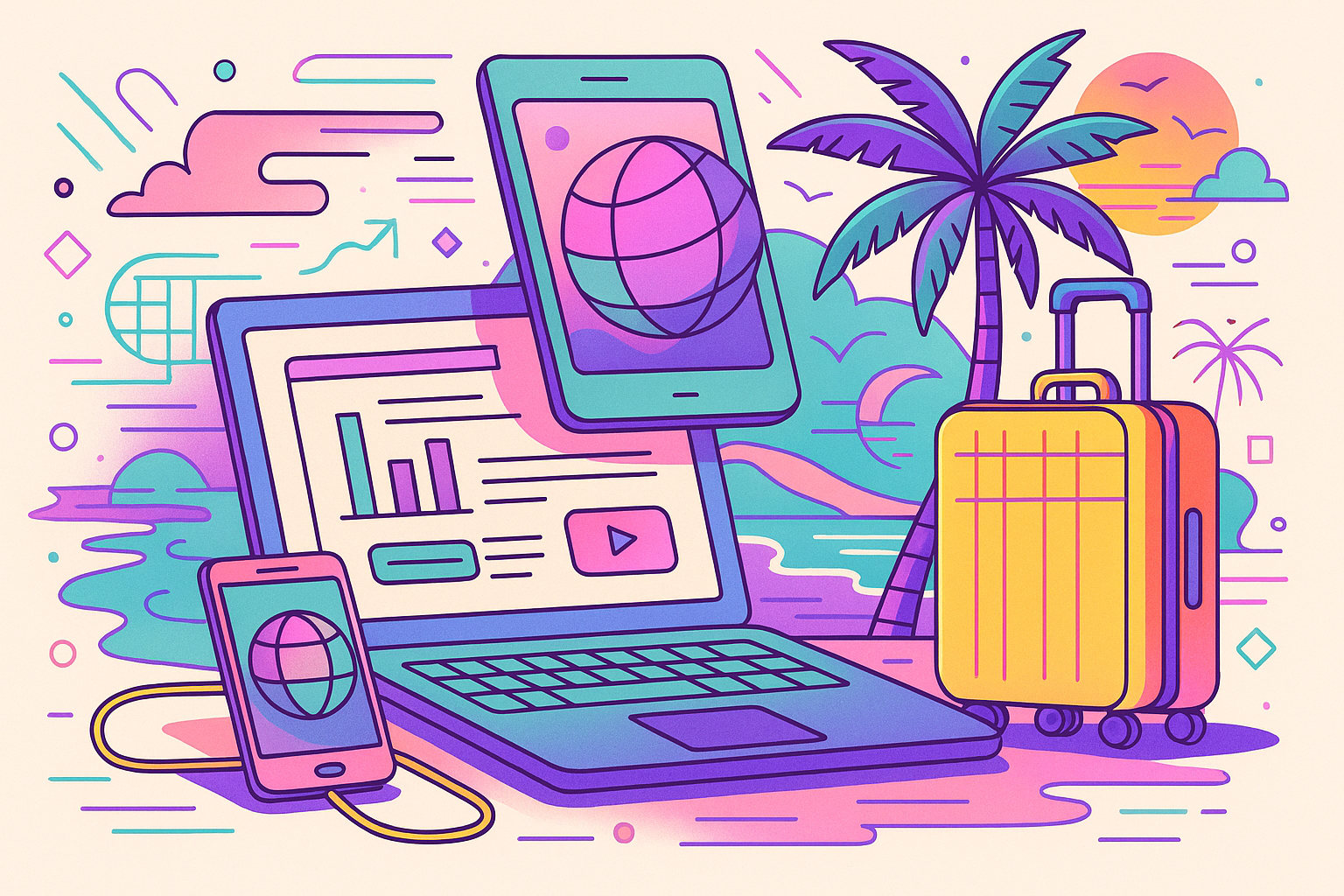
A digital nomad is an individual who leverages technology to perform their job from virtually anywhere, making it easier to embrace a location-independent lifestyle. Digital nomads typically work remotely via laptops, mobile phones, and cloud-based tools, enabling them to travel and live in various destinations worldwide, embracing different cultures along their journey.
The lifestyle revolves around balancing professional commitments with exploring and absorbing new experiences in diverse international locations. Whether freelancers, remote employees, entrepreneurs, or content creators, digital nomads value freedom, flexibility, and personal growth.
Common Misconceptions Debunked
Let's clear up some frequent misconceptions about digital nomads:
- Misconception: Digital nomads are always on holiday.
- Reality: Although they travel extensively, digital nomads dedicate regular, structured time to their professional tasks. Maintaining productivity and meeting deadlines remain critical priorities.
- Misconception: You need vast financial resources to become a digital nomad.
- Reality: Many digital nomad destinations offer a significantly lower cost of living compared to major metropolitan areas, enabling professionals to manage finances efficiently while enjoying quality experiences.
- Misconception: Only tech professionals can become digital nomads.
- Reality: While tech professionals indeed find remote work relatively straightforward, various fields such as writing, graphic design, digital marketing, consulting, teaching, customer support, and e-commerce entrepreneurship also offer rich digital nomad opportunities.
Real-life Digital Nomad Examples
- Consultants and freelancers: Independent consultants or freelancers, such as graphic designers, digital marketers, and web developers, commonly adopt digital nomad lifestyles, managing client projects globally.
- Remote employees: Many companies today offer remote-friendly or hybrid roles, enabling employees to perform their tasks seamlessly from remote corners of the globe.
- Online entrepreneurs: Founders of successful e-commerce businesses, digital platforms, or SaaS startups frequently choose digital nomadism, managing their operations remotely to capitalize on the benefits of flexibility and global networking.
Benefits of Being a Digital Nomad
Increased Flexibility and Autonomy
Living as a digital nomad provides unmatched flexibility, allowing individuals to set their work schedules around personal preferences, productivity peaks, and exploration opportunities. This autonomy enables better time management, improved productivity, and increased overall job satisfaction.
Opportunities for Travel and Cultural Enrichment
A key appeal of the digital nomad lifestyle is the chance to frequently explore exciting new locations, absorbing cultural insights, languages, and local traditions. Continuous exposure to different cultures and environments enriches perspective, deepens understanding, and fosters personal development.
For more insights on becoming a successful digital nomad, you might find this resource helpful: How to Become a Digital Nomad.
Enhanced Work-life Balance
Embracing a digital nomad lifestyle can meaningfully enhance your work-life balance. Digital nomads commonly tailor their daily routines to incorporate outdoor activities, hobbies, and holistic well-being practices. Moving away from traditional office setups frees individuals from commuting, office politics, and the constraints of a fixed workplace. Consequently, digital nomads often experience lower stress levels, improved mental wellness, and increased happiness.
Interested in exploring this lifestyle further? Harvard Business Review offers additional practical perspectives in its comprehensive guide: How to Become a Digital Nomad.
Evaluating Your Job Situation for Remote Work
How to Evaluate Your Current Job's Remote Potential
Identifying Job Positions Suitable for Remote Work
Not every job transitions seamlessly into the digital nomad lifestyle. Positions that emphasize digital tools, project-driven tasks, and independent work tend to be the most remote-friendly. Evaluate your role by considering:
- Task Nature: Is most of your work conducted from a computer or online interface?
- Collaboration Needs: Do tasks require constant in-person collaboration, or can teammates effectively communicate via digital tools?
- Output vs. Presence: Is your role productivity-focused rather than time spent physically present?
Roles within tech, marketing, content creation, design, and consulting often align naturally with remote setups. Conversely, positions heavily reliant on in-person interactions or specialized equipment may present challenges.
Effective Communication with Your Employer About Remote Arrangements
Transparency and preparation are key when discussing remote work arrangements with your employer. Consider the following strategies:
- Highlight Benefits: Clearly communicate how working remotely will positively impact your productivity, creativity, and focus.
- Address Concerns Proactively: Preemptive responses to concerns on accountability, communication, and workflow efficiency will demonstrate your preparedness.
- Present Benchmarks for Success: Suggest clear metrics and reporting structures to ensure productivity and transparency.
Maintaining an open, solution-oriented dialogue fosters trust and significantly improves the likelihood of approval.
Steps to Propose a Remote-Friendly Work Arrangement
To formally propose a remote arrangement, follow these structured steps:
- Initial Research and Preparation: Examine successful remote work models within your company or industry. Document your plan clearly, addressing responsibilities, expectations, and communication methods.
- Submit a Detailed Proposal: Formally submit your suggestion outlining the benefits, addressing potential concerns directly, and providing concrete examples demonstrating the feasibility.
- Trial Period Agreement: Propose a limited trial period to gather data and demonstrate the effectiveness of your remote arrangement.
- Performance Review and Plan Refinement: Schedule periodic feedback sessions during your trial to refine your work processes proactively.
Popular Remote-Friendly Career Paths
Top Industries for Digital Nomads
Certain industries inherently offer more opportunities for digital nomad living. Prominent ones include:
- Tech and Software Development: Increasing demand for developers and engineers who work entirely online.
- Marketing and Content Creation: High demand for digital marketers, SEO specialists, writers, and social media managers.
- Design and Creative Work: Fields like graphic design, UX/UI design, video editing, and animation naturally lend themselves to remote collaboration.
- Teaching and Coaching: Online tutoring, language coaching, and skill-based training can easily transition to remote settings.
Freelancing vs Entrepreneurship vs Remote Employment
Which path aligns with your personality and professional goals?
- Freelancing: Offers the highest level of flexibility, though it involves ongoing client acquisition and income fluctuations.
- Entrepreneurship: Ideal for those seeking a balance between independence and business-building activities. Entrepreneurship provides creative freedom but requires significant upfront effort and capital.
- Remote Employment: Offers stability with predictable income and benefits, suitable for professionals seeking structure and job security while living nomadically.
Useful Platforms and Resources to Find Digital Nomad Jobs
Kickstart your digital nomad journey by exploring authentic and reliable platforms:
- Remote.co – Features verified remote job listings across diverse industries.
- We Work Remotely – Offers regular job postings with a focus on tech, design, and marketing roles.
- FlexJobs – Curates remote and flexible jobs, thoroughly vetted for authenticity and quality.
To learn more about transforming your job into a digital nomad career, consider insights provided in Harvard Business Review's guide on becoming a digital nomad.

Financial Preparation for a Digital Nomad Life
Assessing Your Financial Standing
Before embracing the exciting journey as a digital nomad, it's crucial to evaluate your current financial situation comprehensively.
Budgeting and Savings Strategies for Nomad Beginners
To thrive as a digital nomad, a well-defined budget and savings strategy are essential:
- Track Your Current Spending: Use tools like Mint or You Need A Budget (YNAB) to clearly identify and categorize your existing expenses. Pinpoint discretionary spending that can be minimized.
- Establish a Realistic Monthly Budget: Identify your core expenses (housing, travel insurance, healthcare, food, transportation, entertainment). Be conservative in your estimates to avoid unexpected shortfalls.
- Automate Savings: Aim toward establishing regular savings contributions via automated deposits, gradually accumulating a financial cushion to ease the transition into nomadic living.
Building Emergency Funds and Financial Safety Nets
As a digital nomad, financial unpredictability can occasionally arise. Protect yourself by creating robust safety nets:
- Emergency Fund: Ideally, save between 6–12 months of living expenses. Place this money in a separate, easily accessible account to handle unexpected costs or emergencies abroad.
- Backup Income Streams: Consider setting up alternative income channels, like freelance projects or passive online assets (eBooks, courses), to diversify your earning potential and minimize disruptions.
Key Apps and Tools to Manage Your Finances Remotely
Leveraging technology makes managing financial matters from anywhere stress-free and efficient:
- Wise (formerly TransferWise): Offers affordable international currency transfers, manages borderless accounts, and facilitates low-fee payments worldwide.
- Revolut: Provides budgeting analytics, real-time financial tracking, and favorable exchange rates while traveling internationally.
- Expensify: Simplifies expense monitoring by automatically capturing receipts, categorizing expenses, and generating detailed financial reporting.
Evaluating the Cost of Living Abroad
In preparing for your digital nomad adventure, accurately assessing the cost of living in your potential destinations is a fundamental step.
Researching Affordable Digital Nomad Destinations
Finding cost-effective locations helps ensure sustainable living arrangements:
- Consult Digital Nomad Forums and Blogs: Platforms like Nomad List or digital nomad communities on Reddit and Facebook offer firsthand insights about living costs—enabling more informed choices.
- Review Comprehensive Cost Data: Websites like Numbeo help you analyze everyday expenses across popular nomad cities, providing detailed comparisons.
Comparative Analysis of Popular Digital Nomad Hotspots
Understanding how top nomad spots stack up can impact both budgeting and lifestyle:
- Popular Southeast Asian hubs (Chiang Mai, Vietnam) generally offer excellent local amenities at competitive prices.
- Cities in Europe (Lisbon, Budapest) provide thriving nomadic communities and infrastructures, often at slightly higher—but still reasonable—living costs. Assess these carefully alongside your budget to pinpoint the best match for your intended lifestyle.
Cost-saving Tactics and Nomad Budgeting Hacks
Be strategic about controlling expenses abroad through practical cost-saving methods:
- Negotiate Longer Stays: Often, Airbnb hosts and local rental agencies will provide significant discounts when you commit to monthly stays.
- Cook Primarily at Home: Eating out frequently quickly boosts expenses—cooking your own meals not only saves a considerable amount but can foster healthier habits.
- Utilize Local Transportation: Prioritize public transit, walking, or cycling over taxis and ride-share services to substantially reduce transportation costs.

Choosing Your Ideal Digital Nomad Destination
Essential Factors to Consider
Selecting the perfect spot to begin your digital nomad journey goes beyond just choosing a beautiful place. There are several crucial factors to be aware of:
Navigating Legal Regulations (Including Digital Nomad Visas)
The first, and arguably most important, aspect is understanding the legality of your stay. Recently, many countries have introduced special digital nomad visas. These allow remote workers to live and work legally within borders for extended periods, typically ranging between six months to two years. When assessing locations, always check:
- Availability and ease of obtaining digital nomad or remote worker visas.
- Duration of allowed stay and visa renewal terms.
- Requirements like minimum income, proof of employment, health insurance, or background checks.
For a comprehensive overview of becoming a digital nomad and handling legal aspects thoroughly, Harvard Business Review offers an insightful guide.
Assessing Personal Safety, Political Situation, and Healthcare
Safety and stability significantly impact your quality of life when abroad. Evaluate your potential host country or city based on:
- Political stability and frequency of civil unrest or conflicts.
- Healthcare system quality, availability, and price for foreigners.
- General crime rates and overall safety for foreigners, especially in cities.
Reliable sources like government travel advisories or expat forums provide practical insights and updated information.
Adapting to Cultural Norms and Language Barriers
Fully enjoying your digital nomad experience means embracing the local culture and community. Prepare by:
- Researching local customs, etiquette, and cultural norms.
- Understanding language prevalence; learning basic phrases or committing to language learning apps could significantly enhance your experience.
- Assessing local attitudes towards foreigners and especially remote workers to gauge the openness and inclusivity of a community.
Top-rated Locations for Digital Nomads
The digital nomad community thrives globally, but some destinations stand out due to their well-developed nomadic infrastructures and vibrant community life:
Bali, Indonesia
- Pros: Affordable cost of living combined with high-quality lifestyle. Excellent community networking opportunities with co-working spaces and nomad hubs in areas like Canggu and Ubud. Natural beauty, beaches, and immersive cultural experiences.
- Cons: Occasional unreliable internet connectivity in certain locations. Seasonal traffic congestion in popular nomadic hubs.
Lisbon, Portugal
- Pros: Robust digital nomad community with numerous co-working facilities and digital nomad meet-ups. High-quality healthcare and infrastructure. Favorable climate, vibrant cultural scene, historic charm, and culinary appeal.
- Cons: Rising cost of living due to increasing popularity among expats. Possible language barrier outside tourist-centric areas, though English is widely understood.
Chiang Mai, Thailand
- Pros: Low living expenses ideal for budget-conscious nomads. A strong expat community with plenty of networking opportunities. Friendly locals and an abundance of delicious, affordable food options.
- Cons: Air pollution concerns during specific seasons, particularly February-April. Visa bureaucracy can be complicated for long-term stays unless leveraging visa runs and visa-friendly arrangements.

Streamlining Your Housing and Accommodation
Comparing Short-term vs Long-term Options
Selecting accommodation is pivotal for thriving as a digital nomad, significantly impacting your budget,
See how NoCode.shop can help
Increase Your Sales Potential
Automate and grow your e-commerce business with ease.